
Programs
Habitat & Access
-
Habitat Incentive Programs
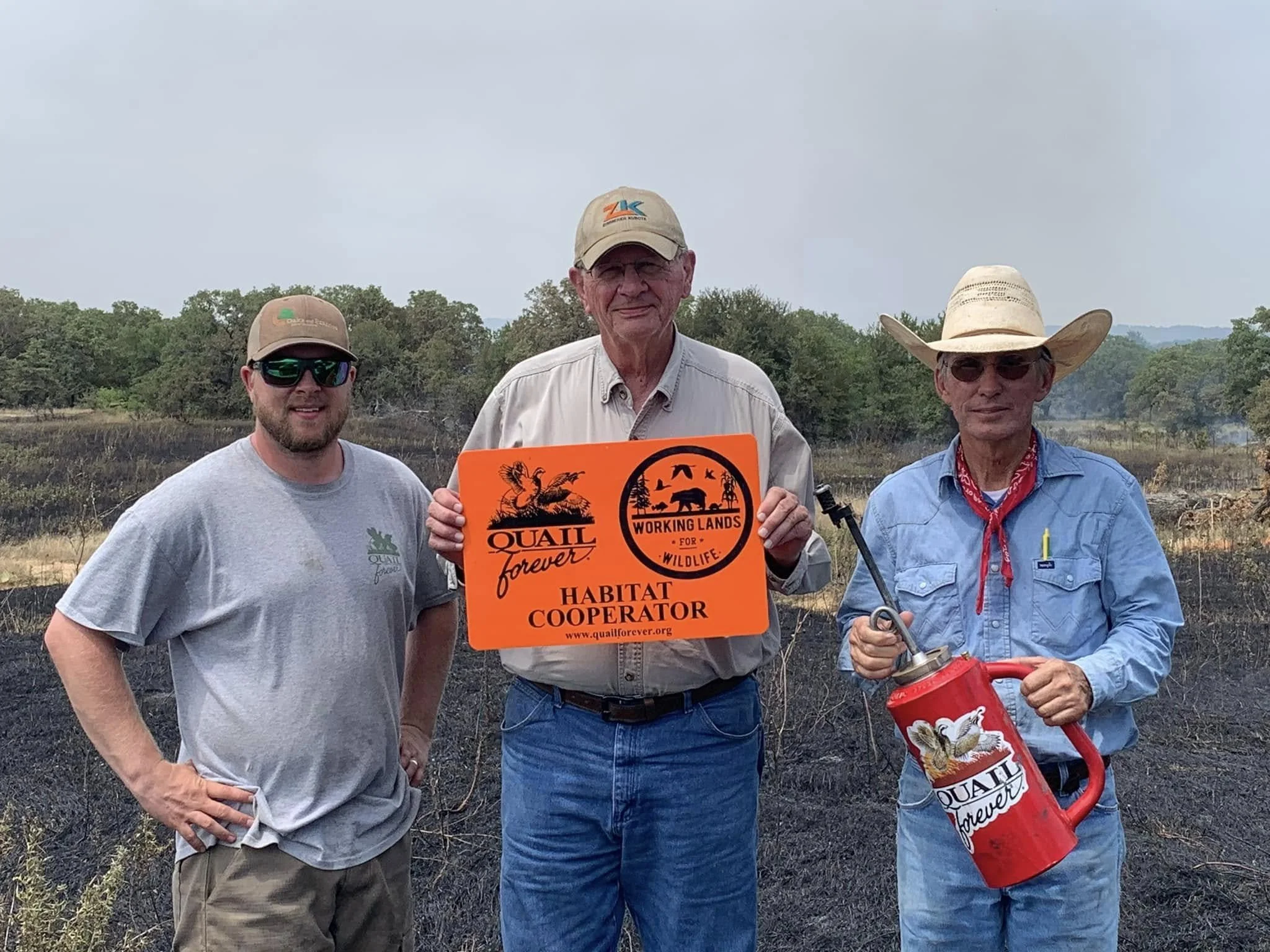
Texas PF/QF offer complete support for your range and wildlife management goals. In addition to providing hands-on conservation technical assistance—such as site visits, conservation planning, and Rx fire implementation—our staff will also help you identify and access possible funding opportunities.
-
Hands-On Habitat
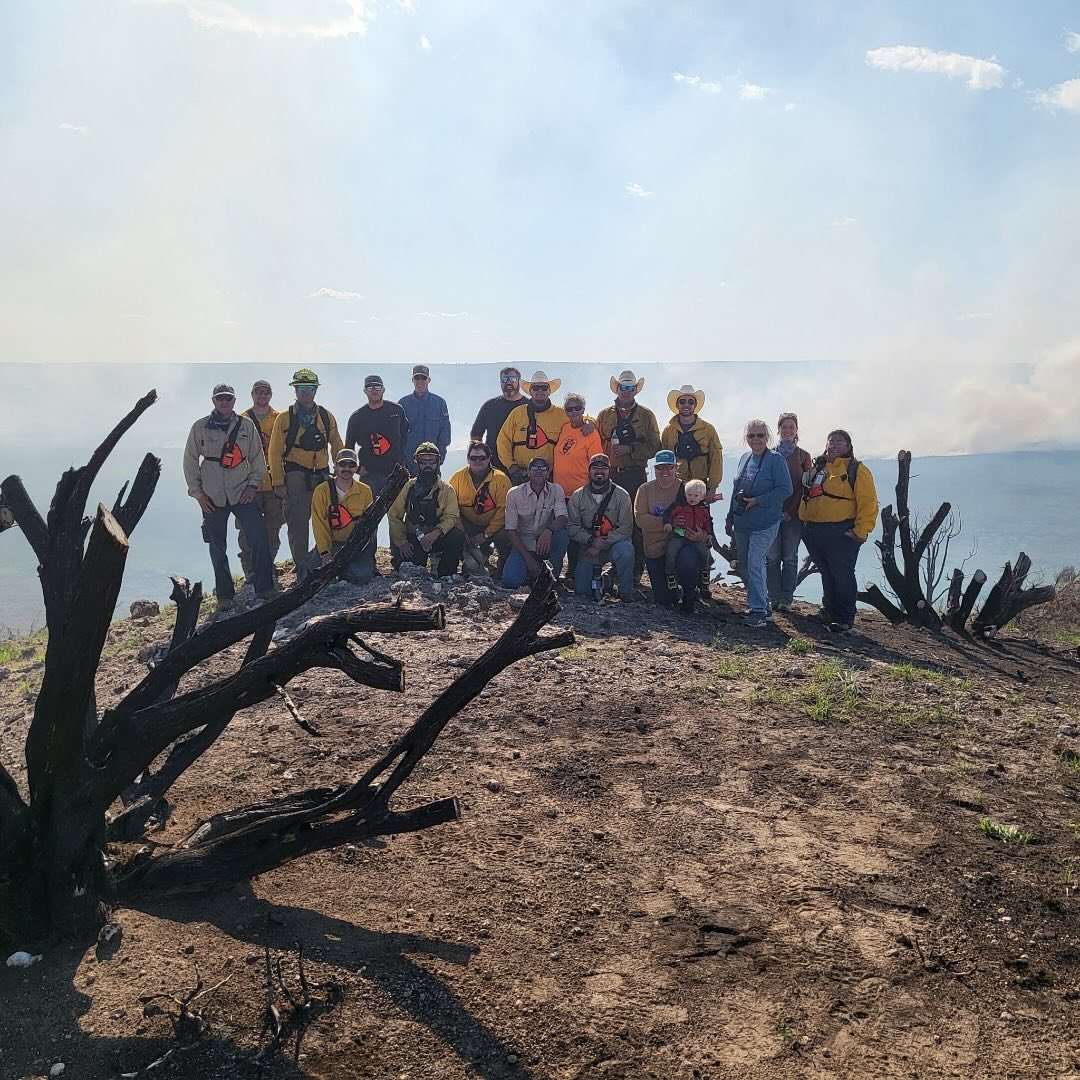
The annual Hands-On Habitat workdays initiative, held every May, is designed to drive volunteerism and community engagement by mobilizing chapters, volunteers, and supporters for "boots-on-the-ground" efforts that directly enhance upland wildlife habitat. These physical workdays involve crucial activities such as pollinator plantings, invasive species removal, and implementing land management techniques, all of which directly contribute to upland wildlife conservation.
-
Public Access
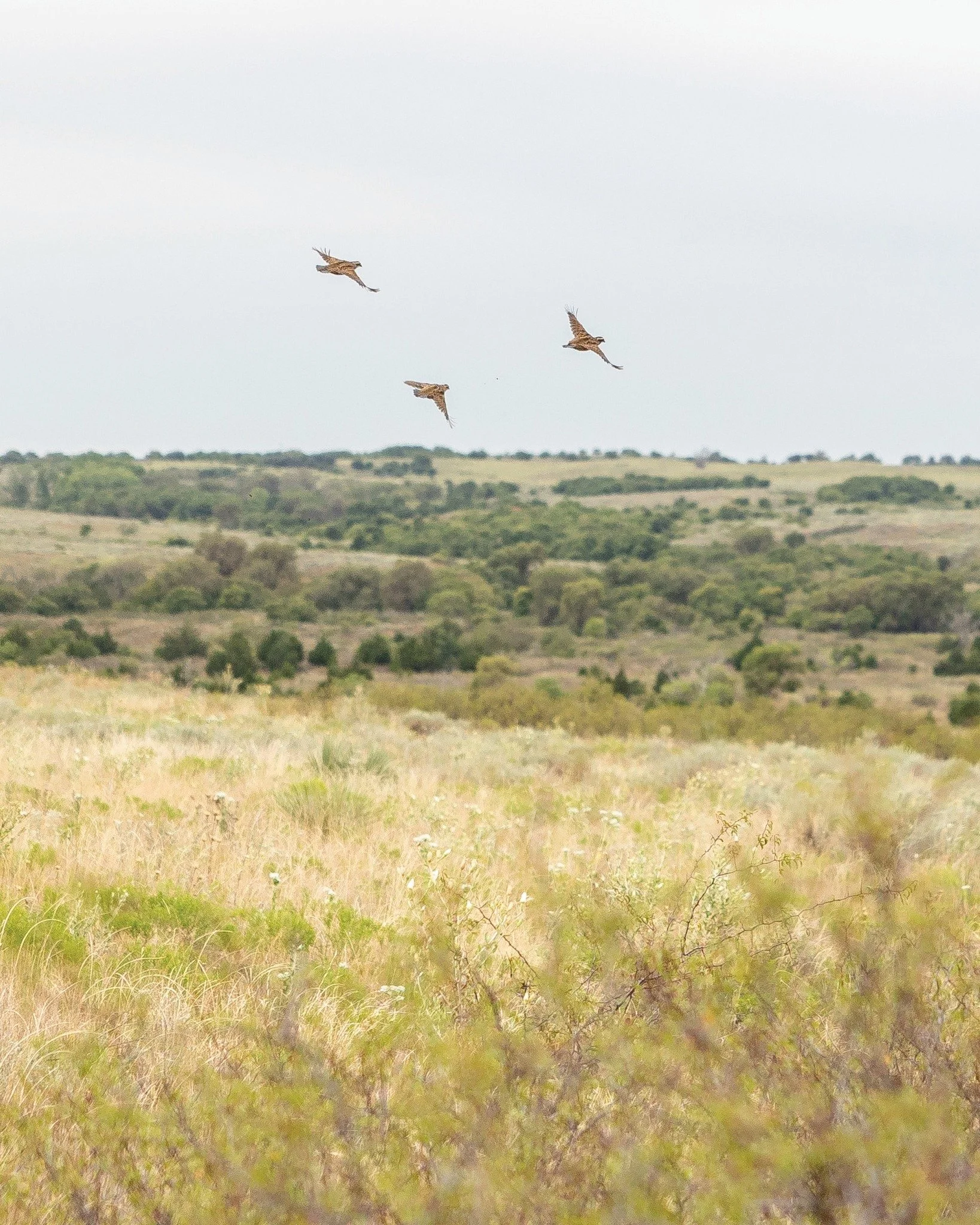
PF/QF national utilizes two core public access initiatives: the Public Access to Habitat (PATH) program, which pays private landowners for walk-in access, and the Build a Wildlife Area (BAWA) program, which acquires and restores land, both ultimately creating more hunting and outdoor opportunities.
Public Access to Habitat (PATH):
This is a program that offers financial incentives to private landowners who enroll their high-quality habitat lands in a multi-year agreement, with the goal of increasing public access for walk-in hunting.
Build a Wildlife Area (BAWA):
This initiative, led by Quail Forever, works by purchasing and restoring critical wildlife habitat to permanently protect it and ensure it remains publicly accessible for activities like hunting and bird watching.
-
Conservation Advocacy
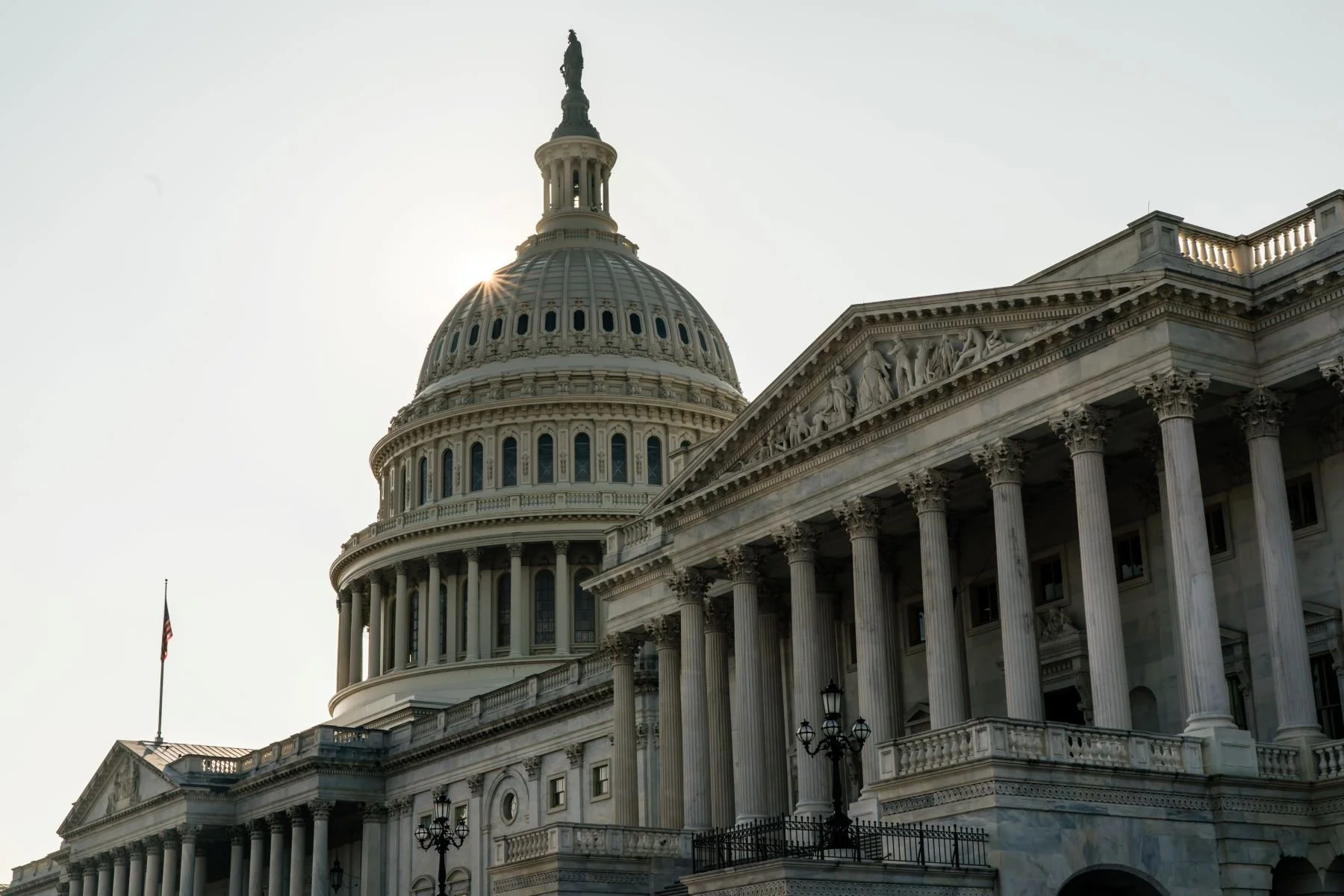
Pheasants & Quail Forever's Conservation Advocacy efforts are carried out by a dedicated Government Affairs team in Washington D.C. and state capitals. The goal is to secure robust public funding and enact sound conservation policies that benefit upland habitat and public hunting access. Key areas of focus include the Farm Bill, America's Grasslands, and Conservation Funding, which rely on grassroots support from chapters, volunteers, and members to put "more birds in the air and boots on the ground.”
PF/QF Government Affairs Team:
Ariel Wiegard, Vice President of Government Affairs
Andrew Schmidt, Director of Government Affairs
Suzanne Anglewicz, Manager of Government Affairs
Swanny Evans, Director of Government Affairs (State & Grassroots)
Education & Outreach
-
Habitat Education
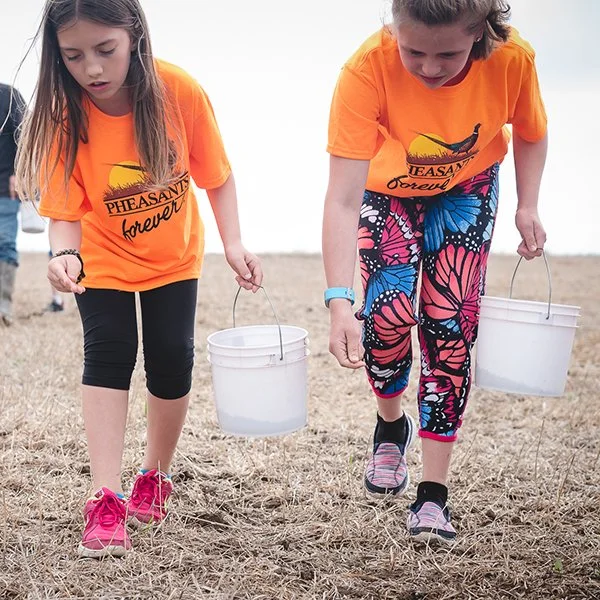
Pheasants Forever and Quail Forever’s educational efforts are executed through two primary programs: the Pollinator Habitat Outreach Program and Milkweed in the Classroom. The outreach program works with local chapters to implement community-based pollinator habitat projects, emphasizing that high-quality quail and pheasant habitat naturally supports pollinators. Meanwhile, the turn-key Milkweed in the Classroom program provides students with the materials and resources to grow milkweed, offering a hands-on way for youth to get outside, benefit pollinators like the Monarch butterfly, and gain an early appreciation for wildlife conservation.
-
Hunting Heritage
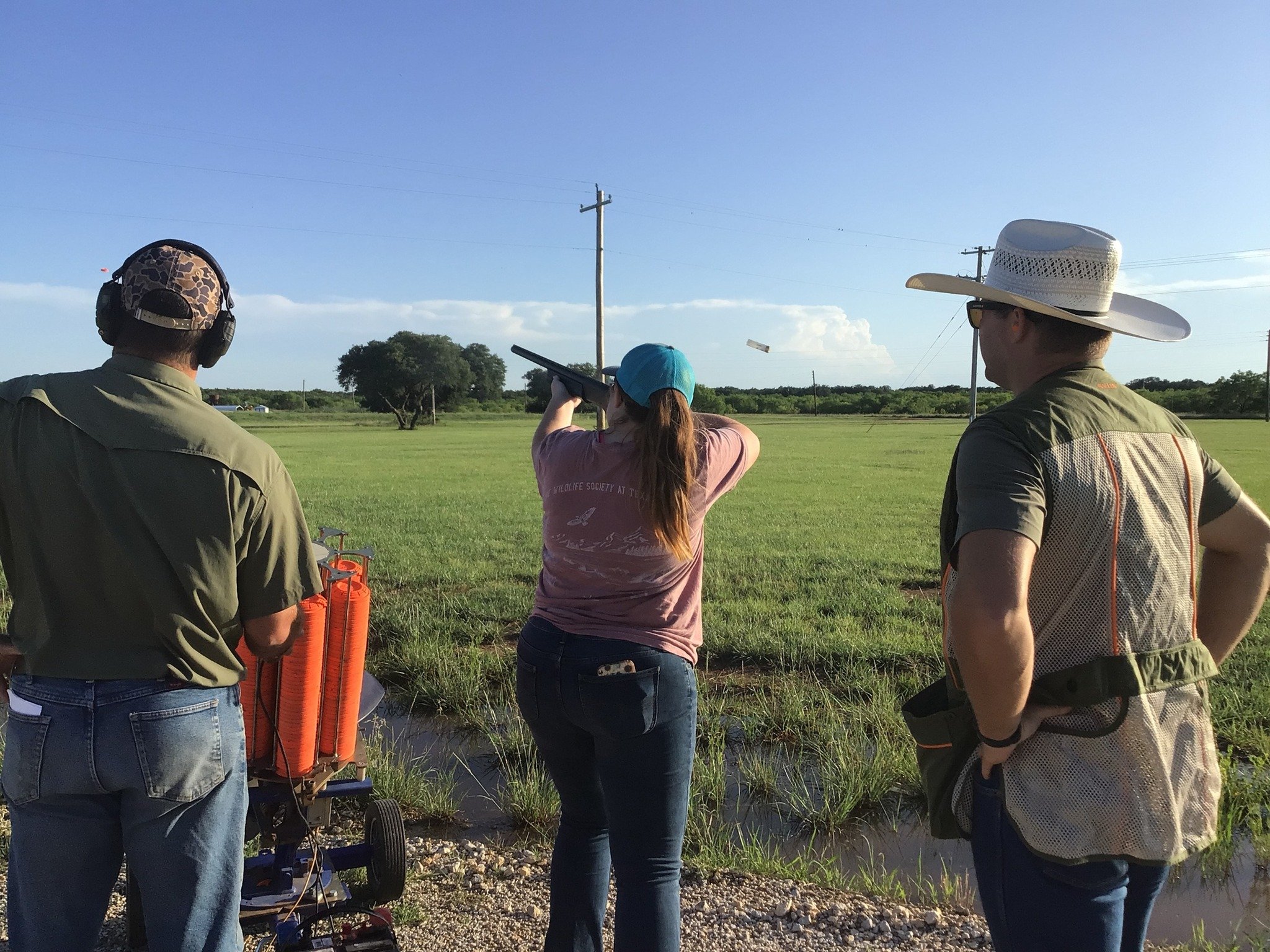
Pheasants Forever and Quail Forever's Learn to Hunt and Learn to Shoot programs are designed to Recruit, Retain, and Reactivate (R3) a diverse community of new hunter-conservationists and recreational shooters. The Learn to Shoot program focuses on introducing novices to wing shooting and firearm safety through expert, hands-on instruction. Building on this foundation, the Learn to Hunt program provides mentor-led, practical experiences covering safety, ethics, and upland bird hunting skills, all with the ultimate goal of cultivating the next generation of safe, responsible land stewards connected to the organization’s critical habitat conservation mission.
-
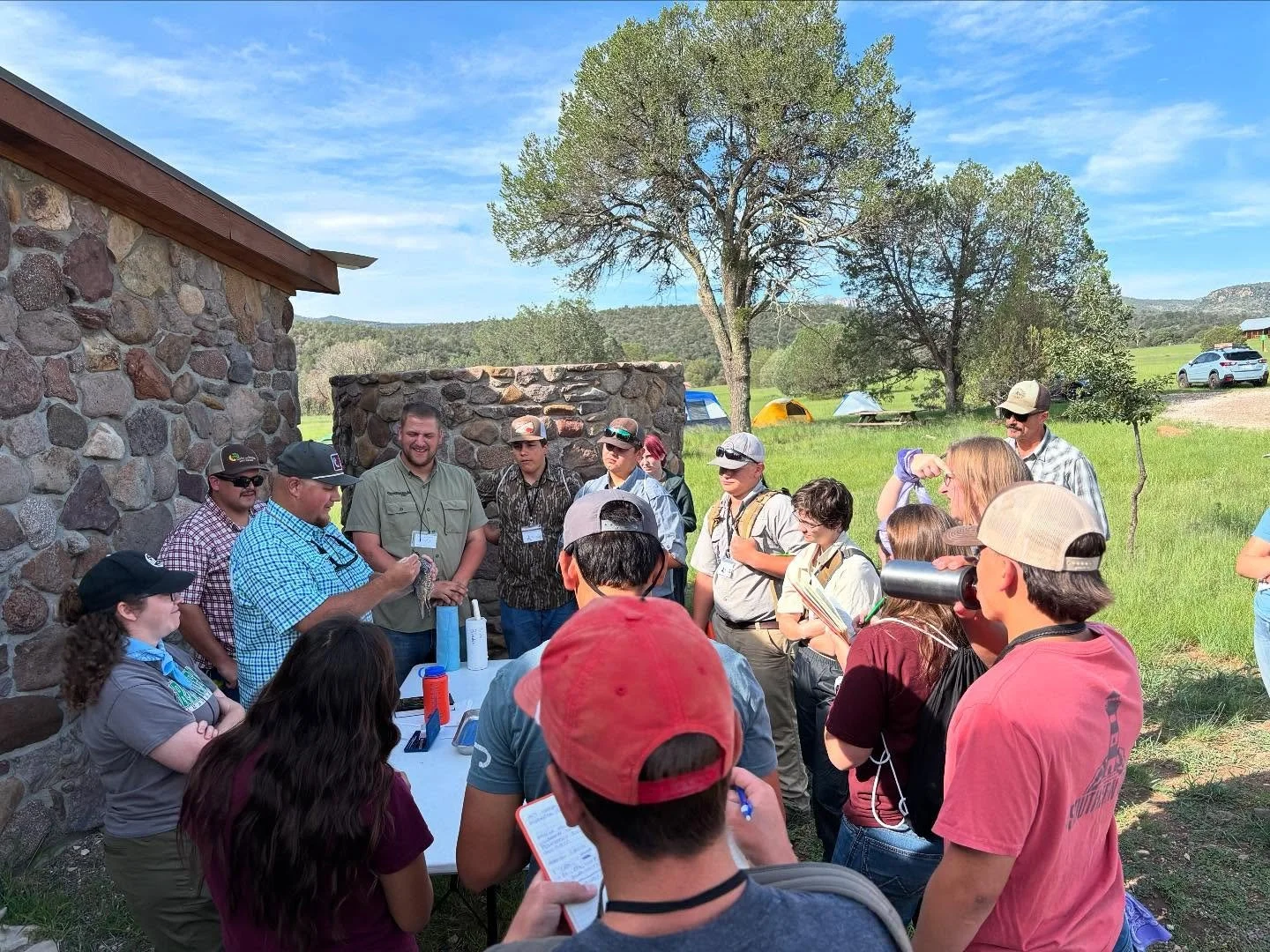
Conservation Leadership
Pheasants Forever and Quail Forever actively cultivate the next generation of conservation leaders through a pipeline of educational opportunities: The free, self-paced, national Journey to Conservation Careers curriculum offers high school and college students foundational knowledge in upland habitat and ecology, coupled with the chance to job shadow resource professionals and earn college credit. This is complemented by the National Internship Program, which provides passionate students and recent graduates with invaluable hands-on experience, mentorship, and networking to successfully launch their conservation careers. Finally, the annual College & Career Fairs connect students directly with universities offering relevant degrees and professionals from conservation agencies, serving as a vital gateway to exploring future job opportunities in the conservation space.